


 By Gladies Rajan - July 15, 2026
_15-06-2026_09-06.jpg)
Kuwait's air defense systems engaged a fresh barrage of hostile missile attacks and one-way attack drones early Wednesday, the General Staff of the Kuwaiti Armed Forces announced, as the country once again found itself in the crossfire of the escalating confrontation between the United States and Iran.
"Kuwaiti Air Defenses are currently responding to hostile drone threats," the General Staff said in a bilingual statement, confirming that any explosions heard across the country were the result of air defense systems intercepting hostile targets rather than impacts on the ground. The military urged the public to adhere to safety and security instructions issued by the relevant authorities.
Dozens of Targets Downed and a Navy Vessel Hit
Ministry of Defense Spokesman Colonel Saud Al-Atwan said Kuwaiti air defense forces successfully intercepted and neutralized a hostile barrage of Iranian aerial targets, including one ballistic missile, five cruise missiles, and 33 weaponized drones. He also disclosed that a Kuwaiti Navy vessel was targeted during the hostilities, resulting in the wounding of four service members, a rare direct hit amid a campaign in which Kuwait's defenses have repeatedly intercepted incoming threats without casualties.
Part of a Sharply Escalating Night Across the Gulf
The attacks came as tensions in the Gulf escalated sharply overnight into Wednesday. The US military moved to reimpose its naval blockade of Iranian ports after Washington declared the collapse of last month's ceasefire memorandum, launching a fourth consecutive day of strikes on Iranian military sites, including coastal defense systems, missile and drone facilities, and maritime assets in locations including Bushehr and Bandar Abbas. Iran responded with barrages of missiles and drones targeting Gulf shipping and neighboring states, with air raid sirens sounding across Bahrain as Kuwait's defenses engaged the incoming attacks.
US President Donald Trump added to the volatility by threatening to expand the campaign next week to strike Iranian power plants and bridges if Tehran does not return to the negotiating table. More than 50,000 US service members are currently deployed across the Middle East, with CENTCOM stating its forces "remain vigilant, lethal, and ready."
A Repeated Target
Wednesday's engagement marks at least the fourth time this month Kuwait's air defenses have confronted incoming Iranian fire, following similar interceptions on July 8, July 13, and July 14, alongside earlier attacks on three northern land border posts and a Kuwait Oil Company offshore drilling platform that injured a worker. In a large-scale Iranian strike on July 12, the IRGC said it dispatched one-way attack drones against Ali Al Salem Air Base in Kuwait, targeting a Patriot air-defense battery, a radar installation, and an ammunition depot.
Kuwait has formally protested the repeated violations of its airspace, previously summoning Iran's ambassador and condemning attacks on civilian facilities, including Kuwait International Airport, as breaches of international humanitarian law, while affirming its right to self-defense under Article 51 of the UN Charter.
Shipping Toll Mounts
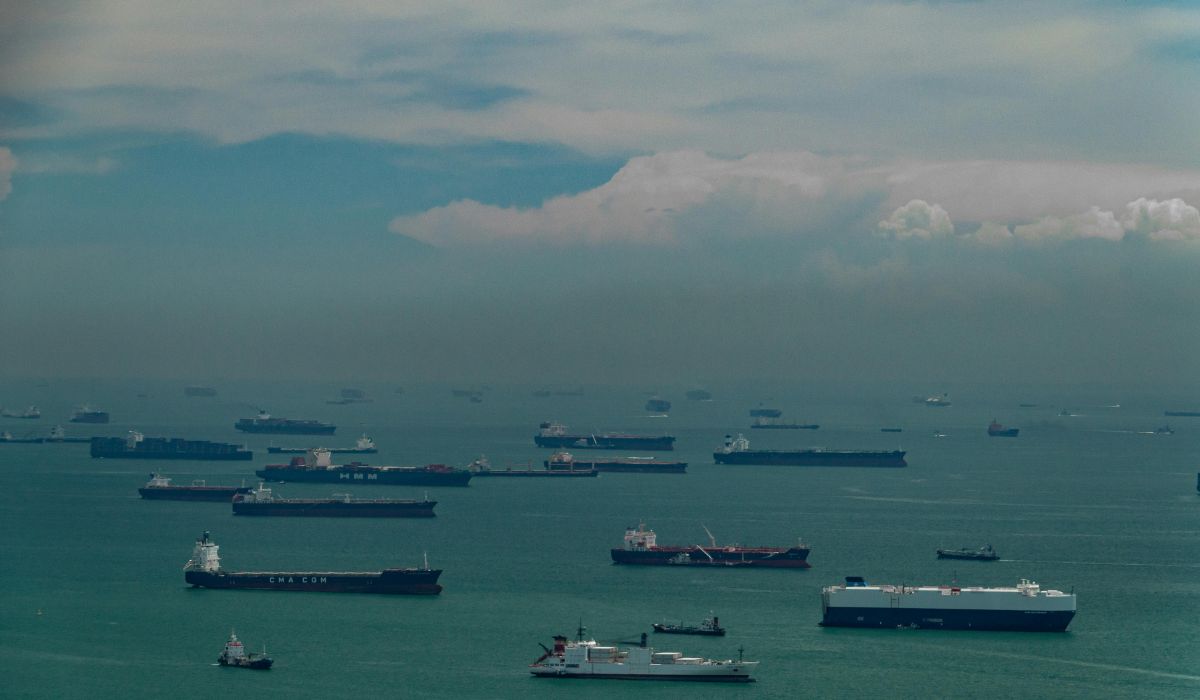
The renewed fighting continues to strangle traffic through the Strait of Hormuz, with just 10 verified crossings recorded through the monitored zone on July 13, nine of them using the Iranian route marking a further slowdown in maritime activity. The International Maritime Organization has now confirmed 53 incidents and 14 seafarer fatalities linked to the conflict, with another attack recently added to its incident tracker.
What to Watch
With the US blockade taking effect, Iranian barrages continuing, and Kuwait now reporting wounded personnel and a struck naval vessel, attention turns to whether the confrontation widens further, how Kuwait and its Gulf partners respond diplomatically, and whether mediation efforts by Oman, Qatar, and Pakistan can pull the parties back toward negotiation before the conflict deepens.





_20-08-2026_05-08.jpg)
_27-51-2026_11-51.png)
_27-43-2026_12-43.png)



.jpg)
.jpg)


.jpg)


.jpg)
.png)
.jpg)













Leave a comment